
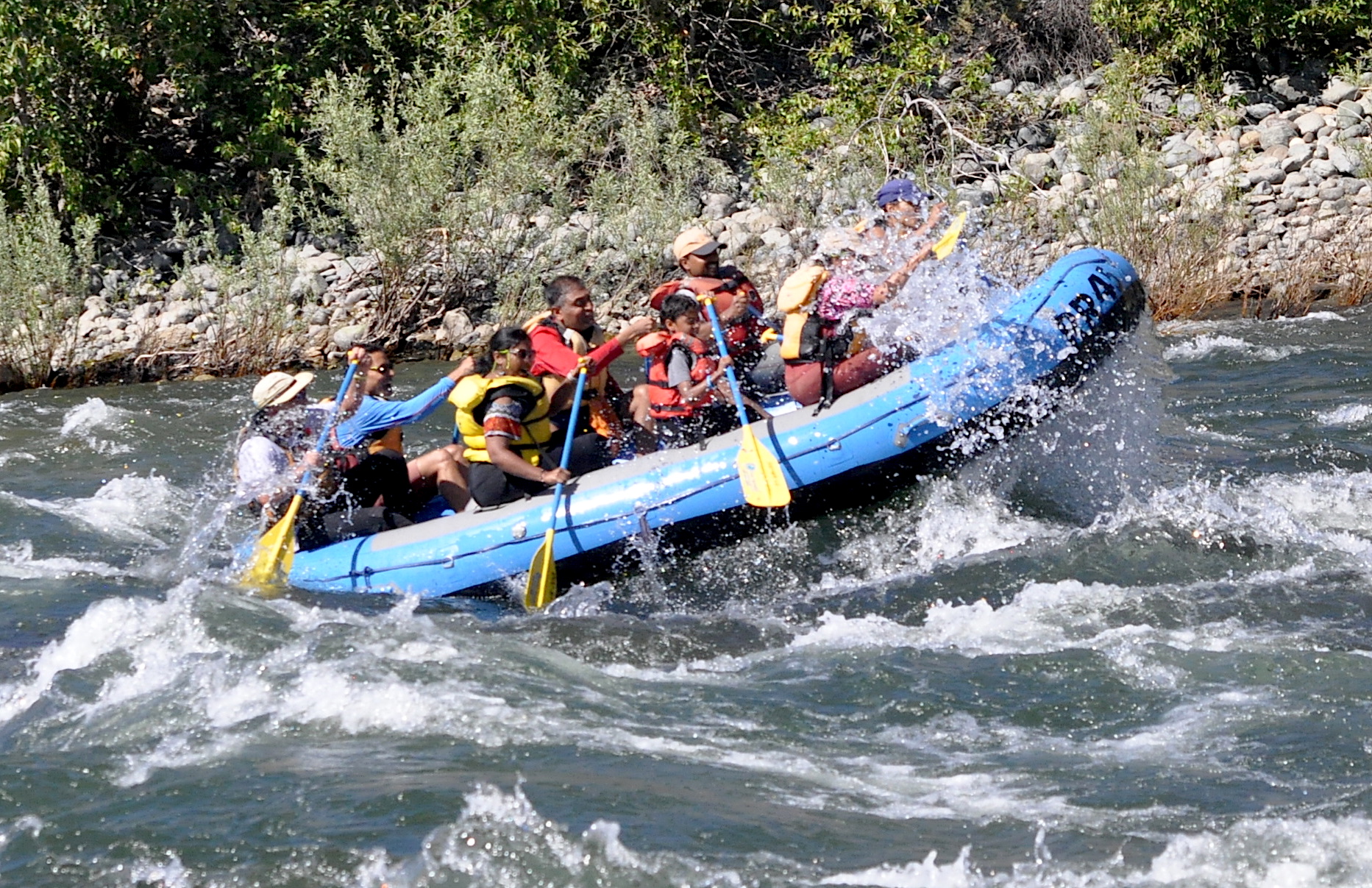
If you’ve been looking into whitewater rafting, you’ve probably seen terms like Class III and Class IV thrown around. At first glance, they sound like simple difficulty ratings.
But once you’re actually in the raft, those numbers feel very different.
This guide breaks down what Class III and Class IV rafting are really like, how they compare, and how to choose the right experience for you. Whether you’re planning your first trip or thinking about stepping it up, this will help you make a confident decision.
What Do Class III and Class IV Rafting Mean?
At a basic level, whitewater rapids are rated on a scale from Class I to Class VI. Class III and Class IV sit right in the middle where things start to get interesting.
Class III is considered moderate whitewater. You’ll encounter waves, splashes, and some maneuvering, but it’s designed to be manageable for beginners with a guide.
Class IV moves into advanced territory. The water is faster, the features are bigger, and the margin for error is smaller. It’s still widely run by guided trips, but it demands more attention and effort.
That’s the technical explanation. What matters more is how each one actually feels when you’re out there.
What Class III Rafting Is Actually Like
The Experience on the Water
Class III rafting is where most people fall in love with whitewater.
You’re moving at a steady pace. Rapids come in waves, but there’s usually a moment to reset between them. You’ll hit splashes big enough to soak you, but not so overwhelming that you lose control of what’s happening.
There’s a rhythm to it. Paddle, hit a wave, laugh, catch your breath, then do it again.
Real Example: Wenatchee River
The Wenatchee River is one of the most popular places to experience Class III rafting in Washington. It offers consistent waves, warm weather, and a mix of excitement and scenery .
In peak season, you’ll get big, rolling waves that feel exciting without being intimidating. Later in the summer, the same stretch mellows out, making it ideal for families or first-timers.
Who It’s Best For
Class III rafting works well for:
- First-time rafters
- Families with older kids
- Groups with mixed experience levels
- Anyone who wants fun without feeling overwhelmed
If your goal is to enjoy the river, stay engaged, and still feel in control, this is where most people should start.
What Class IV Rafting Is Like
The Experience on the Water
Class IV rafting feels different almost immediately.
The water moves faster. Rapids tend to stack on top of each other, which means less downtime between them. When you hit a feature, it’s not just a splash. It’s a surge that pushes the raft and demands a response.
You’re more involved. Your guide’s commands matter more, and timing becomes important.
There’s still plenty of fun in it, but it comes with a stronger dose of adrenaline.
Real Examples: Skykomish and Tieton Rivers
The Skykomish River is known for delivering some of the most intense commercially run rapids in Washington, including steep drops and technical sections.
The Tieton River offers a different kind of Class IV experience. During its short dam-release season, it becomes a fast-moving stretch of nearly continuous rapids. There’s very little break between features, which creates a high-energy ride from start to finish .
Who It’s Best For
Class IV rafting is a good fit for:
- Adventurous beginners who want a challenge
- People who have done Class III and want more
- Physically active participants who can paddle consistently
- Groups looking for a more intense experience
It’s not just about skill level. It’s about comfort with intensity.
Class III vs Class IV: The Differences That Actually Matter
Intensity
Class III gives you excitement in bursts. Class IV keeps the pressure on longer.
Recovery Time
With Class III, you often get breaks between rapids. In Class IV, those breaks are shorter or sometimes nonexistent.
Physical Effort
Class III requires participation, but it’s forgiving. Class IV demands more consistent paddling and attention.
Mental Experience
Class III feels fun and approachable. Class IV feels more like a challenge you’re actively working through.
Neither is better. They just offer different experiences.
What Is Class IV Rafting Like for First-Timers?
A lot of people assume Class IV is just a slightly harder version of Class III. That’s not quite accurate.
The biggest difference is how continuous everything feels. You don’t always get time to process one rapid before you’re into the next.
That said, beginners do run Class IV rivers every season. The key is going with experienced guides and being honest about your comfort level.
Most surprises come down to three things:
- How fast everything happens
- How important it is to follow guide commands
- How physical the experience can be
The upside is that guided trips are designed with safety in mind. Professional outfitters train extensively and prepare for these conditions long before you step into the raft .
How to Decide Which One Is Right for You
If you’re trying to choose between Class III and Class IV, it helps to think about what kind of experience you want.
Choose Class III if:
- You want to enjoy the scenery along with the rapids
- You’re unsure how you’ll feel once you’re on the water
- You’re bringing kids or a mixed group
- You want a balance of excitement and comfort
Choose Class IV if:
- You’re actively looking for adrenaline
- You’re comfortable being pushed outside your comfort zone
- You’re physically ready to paddle consistently
- You want a more intense, memorable challenge
If you’re unsure, starting with Class III is rarely a mistake. Many people come back ready for Class IV after their first trip.
Safety: What Actually Makes the Difference
One of the biggest misconceptions is that river class alone determines safety.
In reality, the experience and preparation of your outfitter matter just as much.
What to Look For
- Certified, experienced guides
- Thorough safety briefings
- Proper gear like helmets and wetsuits
- Clear communication on the water
Companies that emphasize training and preparation tend to create safer, more enjoyable experiences, even on more challenging rivers.
For additional safety guidance, you can review resources from the National Park Service.
The American Whitewater organization also provides detailed river safety information.
A Common Misconception About Rafting Difficulty
Many people assume that harder automatically means better.
That’s not always true.
Some of the most enjoyable trips happen on Class III water because it allows you to relax, look around, and share the experience with your group.
Class IV is exciting, but it’s more focused. You spend more time reacting and less time taking everything in.
The better question isn’t “what’s the hardest river I can do?”
It’s “what kind of day do I want to have?”
Best Places to Experience Class III and Class IV Rafting
If you’re planning a trip in Washington, there are a few standout options.
For Class III, the Wenatchee River rafting trips offer one of the most balanced and accessible experiences.
For Class IV, the Skykomish River rafting experience delivers a more technical and adrenaline-driven ride.
If you’re looking for something seasonal and unique, the Tieton River rafting season provides a short window of high-energy whitewater each year.
Learn more about all of our Washington whitewater river rafting trips.
Frequently Asked Questions
Is Class IV rafting dangerous?
Class IV rafting carries more risk than Class III, but guided trips are designed to manage that risk through training, equipment, and river knowledge.
Can beginners do Class IV rafting?
Yes, beginners can do Class IV rafting with a reputable outfitter and the right mindset, though it’s more physically and mentally demanding.
Will I fall out of the raft?
It’s possible on Class IV and less common on Class III, but guides prepare you for how to respond if it happens.
Is Class III rafting too easy?
For many people, Class III hits the sweet spot between excitement and comfort, especially for first-time trips.
What should I wear for rafting?
Most outfitters recommend quick-drying clothing, secure footwear, and provide wetsuits or splash gear when needed.
How do I know if I’ll enjoy Class IV?
If you like physical activity, don’t mind getting soaked, and want a challenge, there’s a good chance you’ll enjoy it.
Conclusion: It’s About the Experience You Want
Class III and Class IV rafting offer two very different kinds of days on the river.
One gives you space to enjoy the ride, take in the scenery, and build confidence. The other pushes you a bit harder, keeps you engaged, and delivers a stronger adrenaline rush.
Neither one is the right choice for everyone. The right choice is the one that matches what you’re looking for.
If you’re still deciding, starting with a Class III trip is a solid way to get comfortable. If you’re ready to step it up, Class IV will show you a completely different side of whitewater.
When you’re ready, take a look at available trips and find the experience that fits your pace.


